
Fremont & Seattle Landscape Design: Common Installation Mistakes to Avoid
Discover common landscape design and installation mistakes Seattle homeowners make, from drainage oversights to plant selection, and learn how to avoid them for a lasting outdoor space.
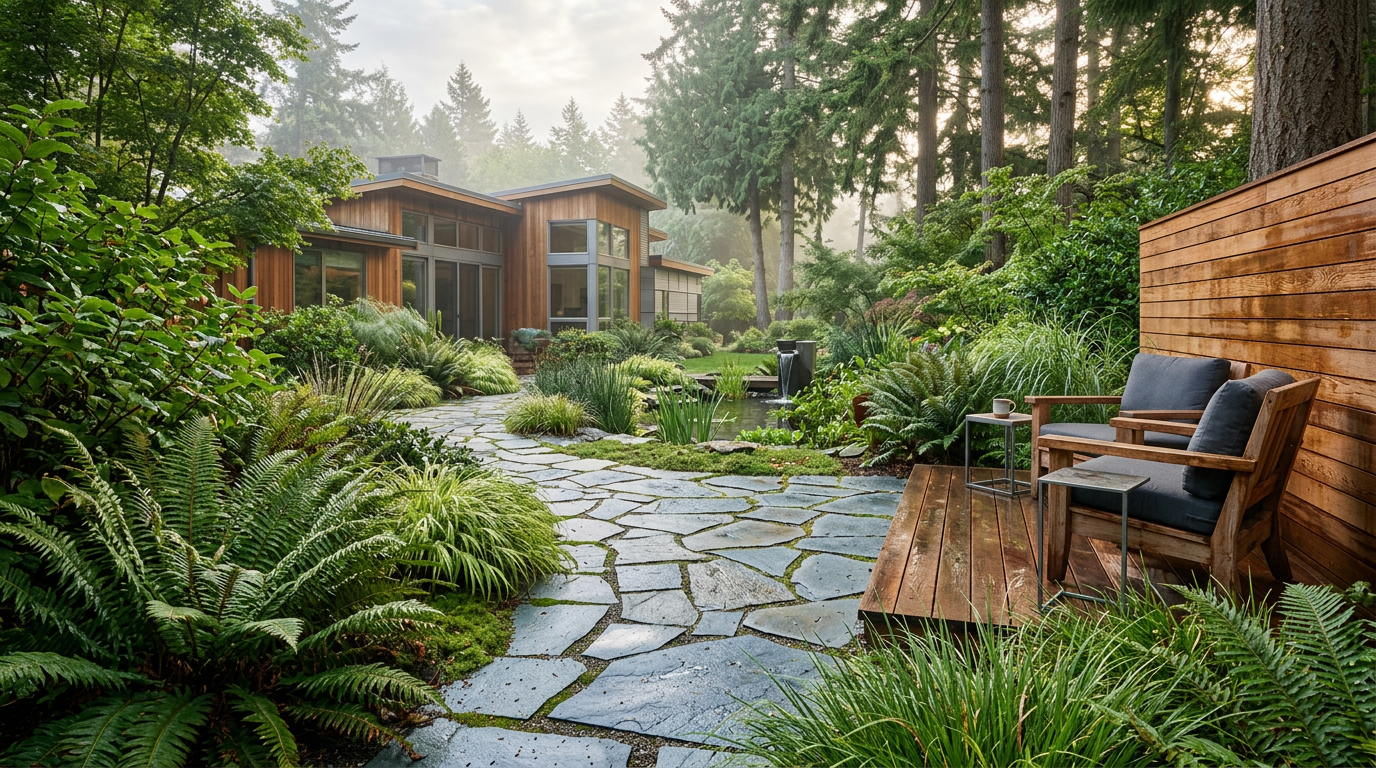
Avoiding Critical Landscape Design Mistakes in Seattle
Designing an outdoor living space in the Pacific Northwest requires a thoughtful balance between aesthetic beauty and regional practicality. Homeowners across Seattle and vibrant neighborhoods like Fremont often invest significantly in transforming their yards, only to encounter issues when wet weather and shifting soils take their toll. Recognizing common pitfalls early in the design phase protects your investment and ensures your outdoor sanctuary thrives through every season.
A well-conceived landscape design should seamlessly tie together your property while echoing the architectural character of your home. Whether you are maximizing a compact urban courtyard or renovating an expansive hillside lot, understanding regional environmental factors makes all the difference. When planning your project, avoiding a few critical errors can save thousands of dollars and preserve your peace of mind.
Overlooking Regional Drainage and Soil Composition
The Puget Sound basin is renowned for persistent seasonal rains and dense glacial till or clay-heavy soils. One of the most frequent missteps is grading a property without establishing proper water conveyance, causing rainwater to pool around foundations and drown sensitive root systems. Failing to integrate French drains, dry creek beds, or bioswales can quickly turn an ambitious landscape installation into an unusable, muddy quagmire.
Prioritizing soil preparation before planting or building hardscapes is paramount for lasting performance. Amending compacted soil with organic compost improves water infiltration and aeration, setting the foundation for robust plant growth. Professional grading directs surface runoff safely away from living areas, safeguarding both your landscape and your home's structural integrity.
Ignoring Mature Plant Scale and Microclimates
Visiting a local nursery can be inspiring, but selecting plants solely on their juvenile nursery appearance often leads to overcrowding within a few short years. Homeowners frequently plant trees, evergreen shrubs, and perennials too close to fence lines, pathways, and siding without planning for their mature spread. This mistake results in obstructed sightlines, damaged hardscape joints, and tedious pruning demands down the road.
Furthermore, urban neighborhoods like Fremont feature distinct microclimates shaped by mature canopies, neighboring structures, and slope orientation. Placing sun-loving varieties in persistent, damp shade invites root rot and powdery mildew, while shade-dwelling plants scorch during dry July and August weeks. Selecting native and climate-adapted Pacific Northwest flora tailored to your site's specific sun and moisture patterns yields a resilient, self-sustaining garden.
Choosing Incompatible Materials for Wet Weather
Material selection in the Pacific Northwest must account for prolonged moisture, seasonal freeze-thaw cycles, and organic debris accumulation. Installing overly smooth, unsealed stone surfaces can create hazardous, slick walkways during damp winter months. Similarly, using untreated softwood timber in ground-contact applications inevitably leads to premature decay and fungal deterioration.
Choosing high-density architectural pavers, textured natural flagstone, or durable composite and hardwoods ensures that your hardscape elements endure decades of weather. Quality materials paired with permeable, compacted gravel bases prevent shifting, heaving, and moss buildup. Investing in durable regional materials early guarantees an outdoor environment that looks stunning and stays safe underfoot year-round.
Treating Hardscape and Softscape as Separate Entities
A disjointed yard often stems from treating patios, retaining walls, and planting beds as isolated do-it-yourself phases rather than a unified design. When hardscape elements do not integrate organically with surrounding greenery, outdoor spaces feel fragmented, rigid, and underwhelming. Modern landscape architecture relies on layered transitions, using soft ornamental grasses and trailing groundcovers to soften crisp stone edges.
Cohesive planning considers traffic flow, practical functional zones, and views from inside your home across all four seasons. Incorporating built-in planters, recessed low-voltage lighting, and tailored gathering areas ties the entire exterior aesthetic together. An integrated master plan maximizes usability, ensuring that dining zones, play spaces, and garden retreats flow naturally into one another.
Underestimating Long-Term Maintenance Realities
Even the most breathtaking landscape installation can quickly deteriorate if maintenance demands exceed what your routine allows. Designing high-maintenance borders that require weekly deadheading, shearing, and weeding often becomes a burden rather than a source of relaxation. Sustainable landscape design prioritizes ease of living, utilizing mulch layers to suppress weeds and automated drip irrigation to support drought resilience during dry summers.
Strategic zoning places higher-maintenance specimen plantings near outdoor living zones while relying on low-touch natives along peripheral boundaries. This thoughtful distribution preserves your garden's aesthetic without demanding endless weekend chores. By designing with long-term care in mind, your outdoor haven remains an effortless retreat rather than an overwhelming obligation.
Partnering with Local Design-Build Specialists
Navigating site assessments, municipal grading guidelines, and nuanced environmental conditions across Seattle and Fremont requires specialized regional expertise. Working alongside an experienced design-build team ensures that every stage—from conceptual master planning to soil prep, drainage, and planting—is executed with precision. A professional team brings clarity to budget ranges, material durability, and horticultural best practices.
At GMC Landscapes, we take pride in designing and installing custom outdoor environments that enhance curb appeal, expand functional living, and withstand Pacific Northwest seasons. Whether you are revitalizing a compact city garden or developing an expansive backyard sanctuary, our dedicated team is here to bring your vision to life. Contact GMC Landscapes at 206-465-0501 or connect with us online today to schedule a consultation and request a free estimate.
Keep reading