
Sand Point Homeowner's Guide to Enduring Wood, Fences & Carpentry
Discover practical guidance on designing and constructing long-lasting cedar fences, gates, and custom outdoor carpentry for your Sand Point, WA home.
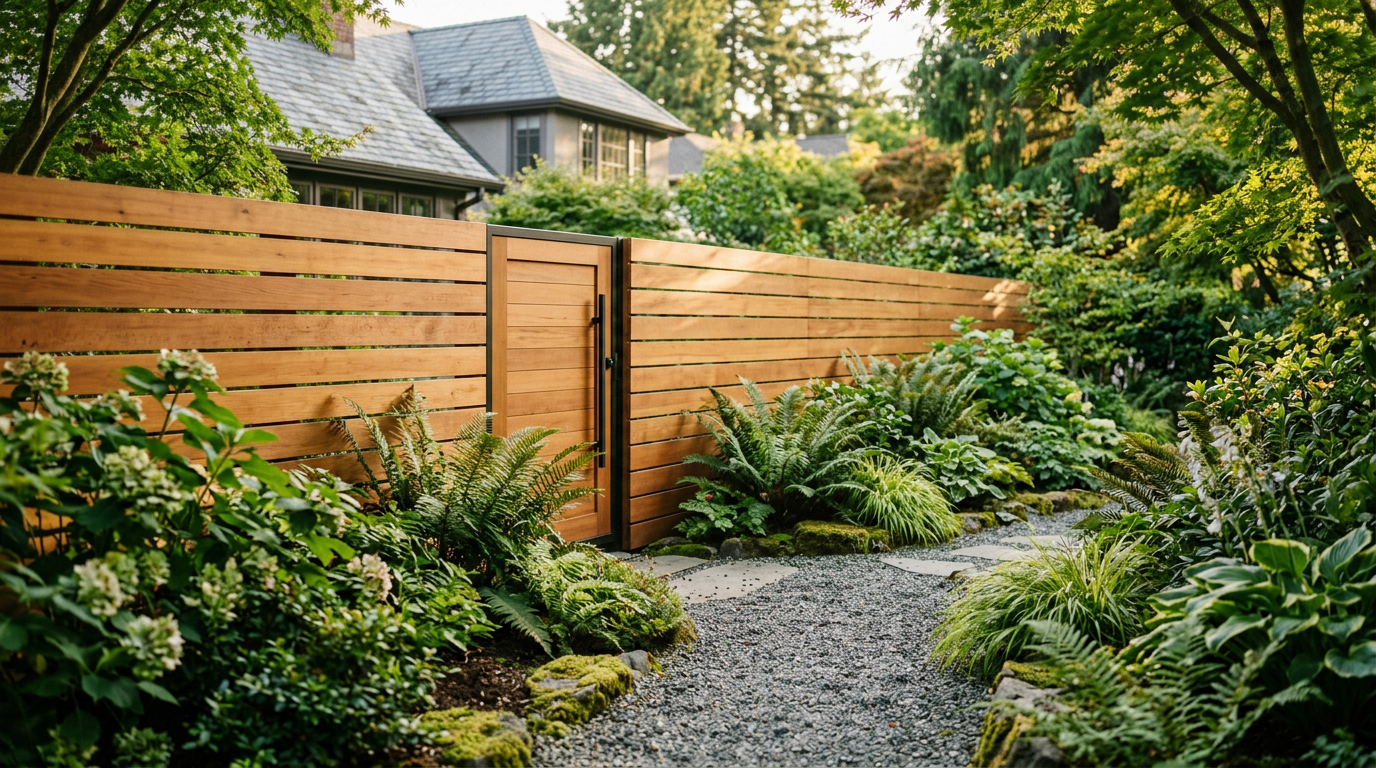
Building Resilient Outdoor Carpentry in Sand Point
Tucked along the scenic shores of Lake Washington, Sand Point offers some of the most enviable residential settings in Northeast Seattle. From classic mid-century homes near Magnuson Park to newer architectural rebuilds, outdoor spaces here demand carpentry that balances beauty with exceptional durability. Lakeside humidity, frequent maritime breezes, and steady Pacific Northwest winter rain place unique demands on exterior timber.
When planning custom fences, gates, trellises, or raised beds in Sand Point, success starts with understanding local environmental conditions. Wood elements give a property its defining edges and tactile warmth, but without proper construction techniques, wet soil and seasonal dampness will compromise your investment. This guide explores the practical steps necessary to design and build outdoor carpentry built to endure.
Selecting the Right Timber for Lakeside Climates
Selecting appropriate lumber is the first critical decision for any Sand Point carpentry project. Western Red Cedar remains the premier standard across Seattle thanks to its natural tannins, which resist rot, fungal decay, and insect damage. Architectural-grade cedar provides straight grains and warm amber tones that integrate seamlessly into both modern horizontal slat designs and traditional vertical board fences.
For structural support posts that meet the ground, pressure-treated Douglas fir or metal post systems like PostMaster steel posts offer maximum longevity. If you prefer all-natural timber throughout, selecting tight-knot or clear Western Red Cedar for above-ground rails and fence pickets delivers superior aesthetic appeal. Quality lumber sourced specifically for Pacific Northwest conditions expands and contracts smoothly through wet winters and dry summer months.
Laying Deep, Well-Drained Post Foundations
A fence or arbor is only as stable as the footing beneath it. In Sand Point, where lake-adjacent soils often retain significant seasonal moisture, shallow or improperly set posts will lean quickly under wind loads. Every structural post should be set deep—typically at least one-third of the above-ground post height—into a bell-bottomed footing below the local frost and saturation line.
Crucially, wood posts should never sit flat against raw soil inside a concrete collar. We recommend bedding post bases on a generous layer of crushed drainage gravel before pouring concrete, allowing subterranean water to drain away freely rather than pooling against the end grain. Slope the top of the concrete pier slightly outward at the surface so standing water sheds away from the wood column.
Designing Functional Gates and Privacy Screens
Gates are the hardest-working architectural features in your outdoor space, and in Seattle's climate, poorly framed gates invariably sag and bind. Modern Sand Point properties benefit immensely from welded internal steel gate frames concealed behind custom cedar cladding. This combination prevents diagonal racking while providing the warm, natural appearance of artisanal timber.
Horizontal slat privacy screens and cedar trellises have become increasingly popular near Sand Point's busy community corridors and pocket parks. To maintain clean horizontal sightlines over decades, incorporate intermediate vertical stiffeners and leave modest expansion gaps between boards. These micro-gaps accommodate seasonal wood swelling while allowing breeze to pass through without catching the fence like a sail.
Incorporating Raised Beds and Garden Structures
Custom carpentry extends beyond boundary fencing into the heart of your landscape. Cedar raised garden beds, custom bench seating, and sturdy post-and-beam pergolas create distinct zones for outdoor living and homegrown gardening. Thick two-inch-plus cedar dimensional lumber holds up admirably against the lateral pressure of moist soil, giving kitchen gardens clean, modern lines that last for seasons.
When crafting raised planters or terraced retaining elements, install heavy-duty, breathable filter fabric along the interior wood faces. This barrier isolates the timber from continuous damp soil contact while letting surplus irrigation water weep through freely. Finishing these features with smooth, hand-routed cap rails provides comfortable perches for morning coffee and easy garden tending.
Hardware and Finish Decisions for Longevity
Fasteners are often where outdoor carpentry quietly fails. In the damp maritime climate around Lake Washington, standard zinc or electro-galvanized fasteners will corrode, causing ugly dark streaks along cedar boards and loosening joints. Always insist on marine-grade stainless steel screws and heavy hot-dipped galvanized structural hardware to ensure lifelong mechanical integrity.
When it comes to finishes, penetrating oil-based stains formulated for Pacific Northwest weather outperform surface film-forming paints that tend to blister and peel. Applying a breathable, UV-inhibiting stain stabilizes the wood fibers, repels rain, and keeps your cedar from fading to silver before you are ready. Performing a light cleaning and refresh every two to three years will keep your woodwork looking crisp and vibrant.
Elevate Your Sand Point Property Today
High-quality exterior carpentry is a signature investment that frames your outdoor lifestyle, elevates curb appeal, and establishes dependable privacy. Handcrafted cedar fences, custom swinging gates, and bespoke garden structures require meticulous planning, proper site preparation, and skilled hands to achieve crisp, enduring lines.
At GMC Landscapes, we bring years of specialized regional craftsmanship to every yard, creating custom woodwork engineered specifically for Seattle and Lake Washington conditions. If you are planning a fencing or custom carpentry update for your Sand Point home, call us at 206-465-0501 or contact our team online to request a free estimate and start designing your outdoor space.
Keep reading